A dirty work truck says more than most business owners want it to. Road film, salt, bug buildup, grease, and streaked panels can make an otherwise solid company look rushed or overlooked. That is why fleet washing services Lincoln businesses rely on are about more than appearance. Clean vehicles support your brand, protect your investment, and help your team show up looking professional at every stop.
For companies that run service vans, delivery vehicles, pickups, trailers, or mixed-use commercial fleets, keeping everything clean is not always easy. Lincoln weather adds its own challenges. Dust in dry stretches, slush in winter, pollen in spring, and grime from daily routes can build up fast. If washing gets pushed back week after week, the problem becomes more than cosmetic.
Why fleet washing matters more than many companies realize
Your fleet is often the first thing a customer sees. Before your technician knocks on the door or your driver steps out, the vehicle has already made an impression. Clean paint, readable graphics, and clear windows signal professionalism. A dirty exterior can suggest poor maintenance, even when your actual service is excellent.
There is also a practical side. Buildup left sitting on paint, wheels, trim, and glass can wear surfaces down over time. Salt residue, bug acids, tree sap, and road contaminants are not harmless. Regular washing helps remove those materials before they have a chance to stain, etch, or shorten the life of exterior surfaces.
For many fleet owners, there is a middle ground to consider. Daily washing is unnecessary for some operations, while occasional deep neglect creates avoidable wear. The right schedule depends on vehicle type, route conditions, branding visibility, and how often customers see the fleet up close.
What to expect from fleet washing services in Lincoln
Professional fleet washing should be consistent first. A one-time wash can improve appearance, but businesses usually benefit most from a repeat service plan that keeps vehicles at a steady standard. That means each visit needs to follow a clear process, use products suited to commercial vehicles, and account for the specific condition of the fleet.
A dependable provider will look at more than the number of vehicles. They should ask what kind of units you run, where they are parked, what level of buildup is common, and whether your company needs routine exterior maintenance or occasional detail-level attention. A contractor with ten pickups has different needs than a plumbing company with wrapped vans or a transportation operator managing larger units.
Mobile service is a major advantage for many Lincoln-area businesses. Instead of sending employees across town to wait at a wash bay, the service comes to your lot, office, or job site when scheduling allows. That reduces downtime and makes recurring upkeep much more realistic.
Choosing the right fleet washing services Lincoln companies can count on
Not every wash service is built for commercial work. Some are fine for a quick rinse but fall short on reliability, communication, or care around surfaces. For a fleet account, those details matter.
Look for a provider that is licensed and insured, communicates clearly, and understands how to clean commercial vehicles without rushing through the job. Strong results come from repeatable workmanship, not shortcuts. If a company cannot explain its process, scheduling, or what is included, that is usually a sign to keep looking.
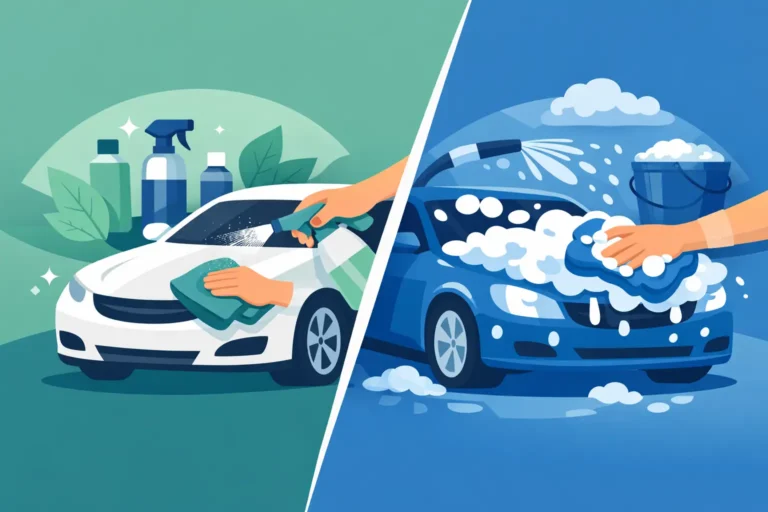
Product choice matters too. Harsh chemicals may strip grime quickly, but they can also create problems on paint, trim, decals, and protective finishes. Businesses that care about vehicle condition over the long term should ask what products are being used and whether they are safe for regular maintenance. Non-toxic, fragrance-free solutions are often a better fit for companies that want effective cleaning without unnecessary residue or overpowering scents.
Another point worth asking about is flexibility. Fleets are rarely all the same. Some vehicles need frequent exterior washing. Others may need periodic interior attention because drivers eat on the road, track in mud, or carry tools and materials. A provider that can adapt to those differences usually offers better long-term value than one that treats every unit the same way.
The real cost of putting fleet washing off
Business owners sometimes delay washing because they are trying to save time or reduce overhead. On paper, that may seem reasonable. In practice, waiting too long usually creates more work and a poorer presentation.
Wrapped vehicles lose impact when graphics are covered in grime. White service vans start to look dull and neglected. Windows become harder to see out of cleanly. Wheel wells and lower panels collect the kind of dirt that makes the entire vehicle look older than it is. Once buildup becomes heavy, restoring the finish takes more labor than routine maintenance would have.
There is also an accountability issue. When fleet vehicles stay dirty for long stretches, small exterior problems are easier to miss. Scratches, chipped paint, damaged trim, and worn decals can go unnoticed under a layer of road film. Regular cleaning helps owners and managers spot those issues earlier.
How often should a fleet be washed?
There is no single answer, and that is where experience matters. Some Lincoln businesses need weekly service because their vehicles are customer-facing every day. Others do well on a biweekly or monthly plan. Construction-related vehicles may need more frequent rinsing around lower panels and wheel areas, while branded office-use vehicles may only need regular maintenance to keep a polished appearance.
Season matters as well. Winter often calls for more attention because of salt and slush. Spring can bring mud, pollen, and storm residue. Summer bugs and dust create their own problems, especially for vehicles that spend hours on the road. A good fleet washing schedule should account for those shifts instead of staying rigid all year.
The best starting point is usually simple: match cleaning frequency to visibility, exposure, and buildup rate. If your team meets customers at homes or businesses daily, a cleaner fleet has a direct effect on how your company is perceived.
More than clean paint – protecting the value of the fleet
Fleet washing is often treated as a cosmetic service, but it supports asset care too. Commercial vehicles represent a significant investment, and replacement costs are not getting lower. Regular cleaning helps preserve paint condition, supports resale value, and keeps the fleet looking newer for longer.
That is especially true when washing is paired with detail-minded care. Glass, trim, wheels, door jambs, and problem areas around handles and lower panels all affect the finished look. A rushed wash may remove loose dirt, but a professional service pays attention to the areas customers and managers actually notice.
This is where a detail-oriented local company can make a difference. At GP Mobile Car Wash & Detail, fleet care is approached with the same standards used on personal vehicles, specialty vehicles, and higher-end detailing work. That means careful workmanship, safe products, and service that respects both appearance and surface condition.
Why local service matters for Lincoln fleets
A local provider understands local conditions. Lincoln roads, seasonal weather swings, and typical commercial vehicle use patterns all affect how quickly a fleet gets dirty and what kind of buildup is most common. That familiarity leads to better recommendations and more practical service plans.
It also helps with responsiveness. Businesses need service partners who show up when scheduled, communicate clearly, and are available for recurring work. Large national operations may offer broad coverage, but local service often brings better accountability and a stronger understanding of what nearby companies actually need.
For many businesses, trust is just as important as price. You want a team that will work carefully around decals, finishes, mirrors, trim, and access points. You also want a provider that takes professionalism seriously, especially when servicing vehicles parked at your office, facility, or customer-facing location.
When fleet washing should include more than the exterior
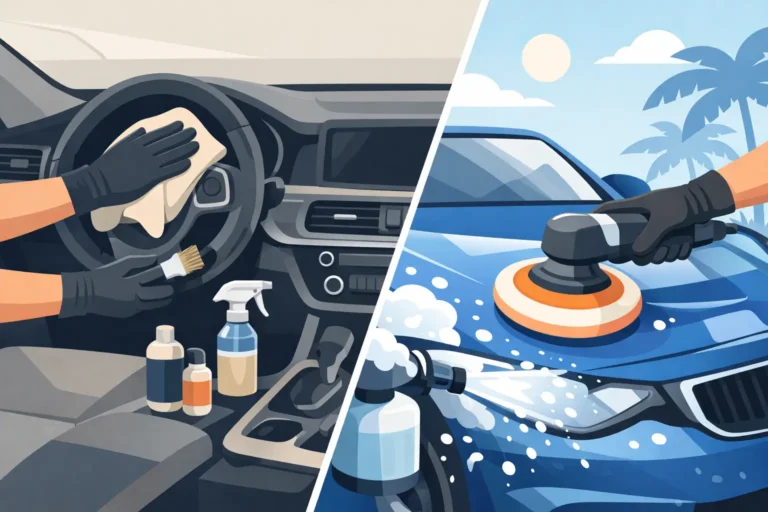
Exterior washing handles the biggest visual issue, but some fleets benefit from additional care. Service vehicles with high driver turnover, food crumbs, pet hair, dust, or tracked-in dirt may need periodic interior cleaning to stay presentable and comfortable. Vehicles used by managers or sales teams may need a cleaner cabin standard than utility units used strictly for hauling equipment.
It depends on how the vehicle is used and who sees it. If customers ride inside, glance through the windows, or interact closely with the vehicle, interior condition matters a lot more. The same goes for odor control and stain removal.
A good fleet partner should be able to help you decide when a basic wash is enough and when a more complete detailing service makes sense.
Clean vehicles do not run your business, but they do represent it every day. If your fleet is part of how customers recognize your company, regular care is not extra. It is part of showing that your standards hold up where people can see them.