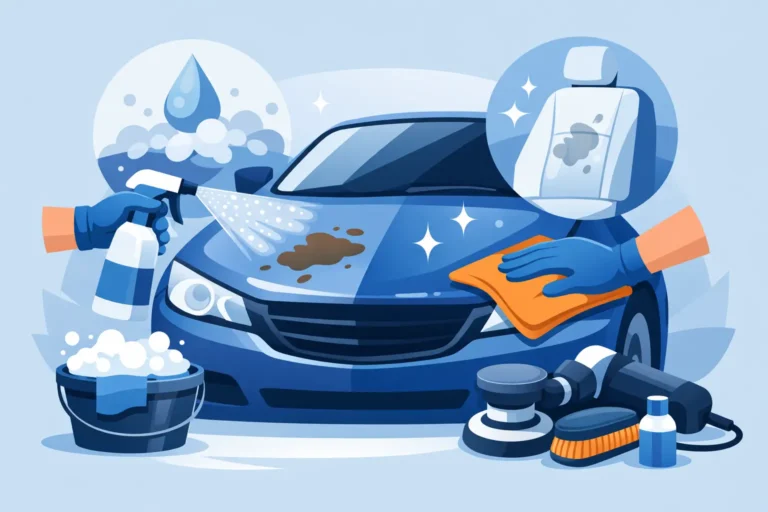
A vehicle can look clean from the driver’s seat and still hold the evidence of a busy week: fingerprints on the steering wheel, crumbs under the seats, a spilled drink in the console, pet hair in the carpet, and odors trapped in upholstery. Car interior sanitizing addresses the parts of a cabin that a quick vacuum or dashboard wipe often misses.
For families, commuters, pet owners, rideshare drivers, and fleet vehicles, a properly cleaned interior is about more than appearance. It makes the vehicle more comfortable to use, helps control odors, and gives the surfaces people touch every day the attention they need. The key is knowing what sanitizing can do, what it cannot do, and why the cleaning process matters just as much as the product used.
What car interior sanitizing actually involves
Interior sanitizing is not the same as spraying a strong fragrance inside the cabin. It is a careful process of removing dirt and residue from interior surfaces, then treating appropriate high-touch areas with products and methods designed to reduce microbes. The process should start with cleaning, because a sanitizing product cannot work as intended through a layer of dust, grease, food residue, or grime.
A professional service typically focuses on the steering wheel, shifter, door handles, buttons, center console, seatbelt buckles, armrests, cup holders, and frequently touched touchscreen or control surfaces. These areas collect hand oils, sunscreen, makeup, food residue, and everyday soil faster than most owners realize.
The upholstery, carpets, headliner, vents, and cargo area also deserve attention, although they require different techniques. Cloth seats and carpeting may need extraction or targeted stain treatment. Leather and vinyl need products that clean without leaving them dry, slippery, or discolored. Delicate screens, gauges, and trim should be handled with the right materials rather than soaked with chemicals.
Sanitizing does not mean a vehicle is sterile, and no responsible detailer should promise that. Cars are used in the real world. The moment someone gets back in after a service, new dirt and microbes begin to accumulate. The goal is a noticeably cleaner, fresher cabin that has been professionally addressed with care.
Why a quick wipe-down is not always enough
Many store-bought interior wipes are useful for small touch-ups, especially on a steering wheel or door pull. The trade-off is that they are easy to overuse or use on the wrong surface. A heavily scented wipe may cover an odor without removing its source. A harsh cleaner can leave residue on touchscreens, dull interior trim, or dry out leather over time.
The bigger issue is contact time and coverage. Sanitizing products need to be used according to their instructions, including the amount applied and the time the surface needs to remain wet. Rushing through the job may make a cabin look better, but it does not necessarily provide the result the product is meant to deliver.
There is also the matter of hidden debris. A car can smell musty because moisture reached the carpet padding. It can smell sour because milk or food landed below a seat. It can feel dusty because debris has settled into vents, seams, and fabric. Those problems call for cleaning and extraction, not just a spray.
For this reason, professional interior detailing and sanitizing are often most effective together. One removes the physical buildup. The other helps refresh and treat the surfaces that people contact throughout the day.
The areas that need the most attention
High-touch surfaces are the obvious priority, but a complete interior service should be systematic. The driver’s area usually needs the most frequent care because it receives constant contact. Steering wheels, keys or start buttons, shifters, door handles, window switches, and turn-signal controls can quickly collect oils and residue.
The passenger area tells a different story. Families may find snack crumbs, sticky cup holders, booster-seat marks, and scuffs on rear door panels. Pet owners often deal with hair, dander, nose prints on glass, and lingering odors in fabric. Work trucks and fleet vehicles may have dust, mud, coffee spills, and daily wear that builds up faster than in a personal weekend vehicle.
Ventilation areas matter, too. Dust around vent slats can circulate through the cabin and make a freshly cleaned interior feel unfinished. However, vent cleaning should be done carefully. For persistent HVAC-related odors, the source may be a dirty cabin air filter, moisture in the system, or another mechanical issue. Interior sanitizing can improve the cabin environment, but it should not be treated as a replacement for needed vehicle maintenance.
Car interior sanitizing without damaging surfaces
One of the most common mistakes is assuming every interior material can be cleaned the same way. It cannot. Modern vehicles combine soft-touch plastics, coated leather, fabric, piano-black trim, matte finishes, touchscreens, chrome accents, and rubberized controls in a small space. Each can react differently to moisture, friction, and cleaning chemicals.
Touchscreens and instrument panels need a light hand. Applying cleaner directly to a screen can allow liquid to reach edges or sensitive components. Abrasive towels can leave fine scratches that become visible in sunlight. Leather seats should be cleaned gently and conditioned only when the material calls for it. Over-conditioning can create a shiny, slippery finish that attracts dust instead of delivering the clean factory appearance most owners want.
Fragrance is another consideration. A strong perfume may seem like proof of a clean vehicle, but it can be unpleasant for children, allergy-sensitive passengers, and anyone who spends long hours driving. At GP Mobile Car Wash & Detail, non-toxic, fragrance-free cleaning solutions help focus on the actual cleaning work rather than masking the problem with an overpowering scent.
When professional service makes the most sense
Routine maintenance can be manageable at home when the interior is already in good condition. Empty trash regularly, vacuum loose debris, wipe spills as soon as they happen, and clean high-touch areas with products safe for the vehicle’s materials. These habits keep a cabin from reaching the point where every surface needs major attention.
Professional car interior sanitizing is especially worthwhile after illness in the household, a long road trip, transporting pets, buying a used vehicle, or dealing with a spill that has soaked into fabric. It is also a smart reset for a vehicle that has been used heavily through winter slush, spring mud, summer sports, or daily school drop-offs around Lincoln.
For fleet managers, consistency matters as much as cleanliness. A clean, well-maintained vehicle reflects on the business, supports a more professional appearance at customer locations, and can make drivers more comfortable during long shifts. The right schedule depends on how often vehicles are used, who rides in them, and the type of work they perform.
How to keep the results going
The best way to extend a professionally cleaned interior is to stop small messes from becoming embedded ones. Keep a small trash bag or container in the vehicle, address spills before they dry, and shake out floor mats before dirt works its way into the carpet. If pets ride along, a seat cover can reduce hair and protect upholstery, though it should still be removed and cleaned regularly.
Pay attention to odors early. A mild odor is usually easier to correct than one that has settled into seat foam, carpet backing, or the cargo area. Avoid adding air fresheners before identifying the source. If the smell is caused by moisture, food, smoke, or a pet accident, covering it up can make the cabin feel worse rather than better.
A clean interior changes the experience of owning a vehicle. It makes school runs, client visits, commutes, and weekend trips feel more comfortable, while helping preserve the materials that take daily wear. When the cabin needs more than a quick wipe, careful professional cleaning gives every seat, surface, and hard-to-reach area the level of attention it deserves.