A ceramic coating is not a forever product, and that is usually the first thing vehicle owners want clarified before they invest in one. So, how long does ceramic coating last? In real-world conditions, most professional ceramic coatings last anywhere from 2 to 5 years, while some premium options can perform longer with the right prep work, application, and maintenance.
That range is wide for a reason. A coated garage-kept weekend car in Lincoln will not age the same way as a daily driver parked outside through Nebraska sun, road salt, wind, and winter grime. The coating itself matters, but so does how the vehicle is used and cared for after the service is done.
How long does ceramic coating last in real conditions?
The short answer is that ceramic coating longevity depends on the product grade and the environment it lives in. Entry-level coatings or spray-applied ceramic protectants may last around 6 to 12 months. A professionally applied ceramic coating is typically in the 2 to 5 year range. High-end multi-layer systems can sometimes stretch beyond that, but only when the paint was corrected properly beforehand and the vehicle is maintained consistently.
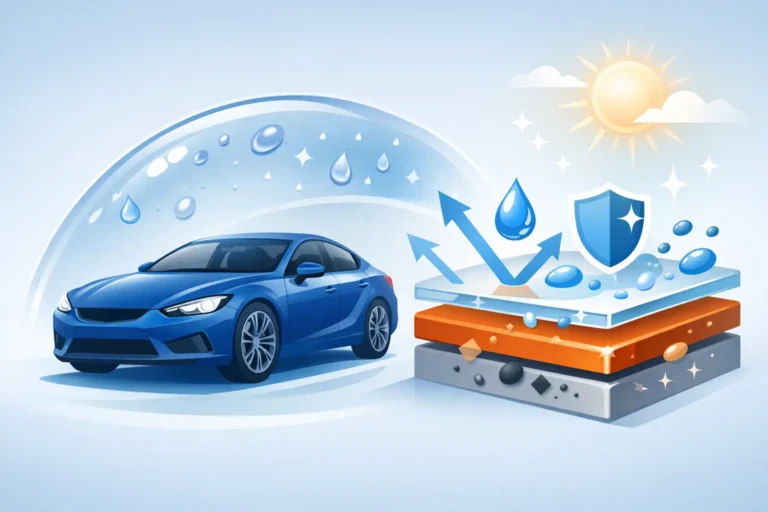
This is where expectations matter. Ceramic coating is designed to add durable protection, improve gloss, and make ongoing cleaning easier. It is not the same thing as a permanent shield. Over time, UV exposure, harsh detergents, road film, bug residue, bird droppings, and abrasion from improper washing all wear that protection down.
For most drivers, the better question is not just how long the coating remains on the paint. It is how long it continues performing at a high level. A coating can still be present after a few years but no longer bead water, shed contamination, or resist staining the way it did when it was first installed.
What has the biggest impact on ceramic coating lifespan?
Preparation is one of the biggest factors, and it often gets overlooked. If the paint is not fully cleaned and decontaminated before application, the coating may not bond the way it should. If swirl marks, oxidation, or embedded contaminants are left behind, you are starting with a weaker foundation.
Application quality matters just as much. Professional installation is not only about putting product on paint. It is about correcting the surface if needed, choosing the right coating for the vehicle, applying it evenly, and allowing it to cure correctly. Cutting corners at this stage can shave months or years off the expected life of the coating.
After that, maintenance becomes the deciding factor. Vehicles that go through automatic brush washes usually see coatings wear faster because repeated friction can dull the finish and degrade performance. Hand washing with coating-safe products is easier on the surface and helps preserve the protective layer.
Storage conditions also change the timeline. A truck parked outside every day will face more UV exposure and weathering than a vehicle kept in a garage. The same goes for cars that spend a lot of time on highways, where road debris, bug splatter, and winter chemicals hit hard.
Professional coating vs. DIY products
A lot of confusion comes from the fact that many products use the word ceramic. Not all of them offer the same durability.
DIY ceramic sprays and consumer-grade coatings can add shine and hydrophobic behavior, but they usually do not last like a true professional-grade coating. For some owners, that is fine. If you enjoy frequent upkeep and want a lower upfront cost, a shorter-term ceramic product may make sense.
A professional ceramic coating is built for longer-term protection and a more stable bond to the painted surface. It also usually comes with proper paint prep, which is a major part of what makes the result last. When customers ask whether the upgrade is worth it, the answer often depends on how long they plan to keep the vehicle and how much they value easier maintenance and stronger surface protection.
Signs your ceramic coating is wearing down
The first sign is usually weaker water behavior. If water no longer beads tightly or sheets off the paint the way it used to, the coating may be losing effectiveness. That does not automatically mean it is gone, but it does mean performance is changing.
You may also notice the vehicle gets dirtier faster or becomes harder to wash clean. One of the main benefits of ceramic coating is that contamination does not stick as aggressively to the surface. When that benefit fades, cleaning starts to take more effort.
Gloss can change too, although that is sometimes more about contamination buildup than coating failure. Mineral deposits, traffic film, and residue from poor wash products can mask a healthy coating. In some cases, a maintenance decontamination wash can restore performance that appears lost.
If the finish feels rough, stains more easily, or no longer has the slick, protected feel it once did, it is worth having the surface inspected. Sometimes the coating needs a topper or maintenance service. Sometimes it is time to recoat.
How to make ceramic coating last longer
Good maintenance is what separates a coating that performs well for years from one that disappoints early. Regular hand washing is the most important habit. Dirt left sitting on the paint, especially bug remains, bird droppings, and road salt, can break down protection over time.
Using pH-balanced, coating-safe wash products also helps. Harsh cleaners may seem effective in the moment, but repeated use can reduce hydrophobic performance and leave the surface looking tired sooner than expected.
Drying matters more than many people realize. Letting hard water dry on the surface can lead to water spots and mineral buildup, which makes the coating appear less effective. A careful wash and dry routine protects both the coating and the finish underneath it.
Periodic maintenance detailing is a smart move as well. A professional can remove bonded contamination, check how the coating is performing, and apply approved maintenance products when needed. For busy families, daily drivers, fleet vehicles, and anyone who wants the benefits without the hassle, this kind of upkeep keeps the coating working the way it should.
Is ceramic coating worth it if it does not last forever?
For many vehicle owners, yes. The value is not only in the number of years. It is in what those years look like.
A good ceramic coating helps preserve gloss, reduces how strongly grime sticks to the paint, and makes washing more manageable. That is especially useful for people who do not have time to detail their own vehicle every weekend. It also helps protect the finish from common wear caused by UV exposure, environmental fallout, and daily driving conditions.
That said, there are trade-offs. Ceramic coating is not a substitute for paint protection film when impact protection is the priority. It will not stop rock chips. It will not make poor wash habits harmless. And it does require upkeep to deliver its best lifespan.
Still, if your goal is to keep your vehicle looking cleaner, sharper, and easier to maintain over time, ceramic coating is one of the more practical protective services available. That is why many owners of newer vehicles, work trucks, RVs, and even boats choose it as part of a long-term appearance plan.
When should you reapply ceramic coating?
There is no single calendar date that fits every vehicle. Reapplication depends on how the coating is aging and whether it is still performing. If water behavior has noticeably dropped, contamination is sticking more aggressively, and maintenance services no longer revive the finish, recoating may be the right next step.
Some owners wait until the coating has fully reached the end of its service life. Others prefer to refresh protection earlier to keep the vehicle consistently at a higher standard. Neither approach is wrong. It comes down to your expectations, driving conditions, and how important appearance protection is to you.
For local drivers who want a realistic answer, the safest expectation is this: a professionally applied ceramic coating can last for years, but only if the installation is done right and the maintenance matches the investment. If you want that kind of long-term protection without cutting corners, working with an experienced detailer matters.
At GP Mobile Car Wash & Detail, that starts with treating ceramic coating as a full surface protection service, not just a quick add-on. The product matters, but the workmanship behind it is what gives the result staying power.
If you are considering ceramic coating, think beyond the label on the bottle. Ask how the paint will be prepared, how the vehicle will be maintained, and whether the service fits how you actually use your car. That is usually where the best decision gets made.