
Paint correction is a machine polishing process that permanently removes surface defects like swirl marks, micro-scratches, oxidation, and water spotting by carefully leveling a small amount of clear coat. Done correctly, it can remove up to 95% of surface swirls and scratches, and a one-step correction typically takes around eight hours, while a two-step often takes ten or more hours.
If you've ever washed your car, stepped back, and thought it looked clean, then caught it in direct sun and saw a web of fine scratches, that's exactly where paint correction enters the conversation. It isn't wax. It isn't a glaze. It isn't a quick shine product that fills defects for a week and fades after a few washes. It's a controlled polishing process that corrects the paint itself.
The easiest way to think about what is paint correction on a car is skincare. A wax is like makeup. It can hide flaws for a while. Paint correction is closer to exfoliation. It removes the damaged outer layer of the finish, reveals smoother paint underneath, and gives the surface the clarity and gloss people usually think only a repaint can deliver.
What Exactly Is Paint Correction
Paint correction removes the defects that make a clean car look older than it is. Using a machine polisher, the right pad, and a measured abrasive polish, a detailer refines the clear coat so light reflects evenly again. That is what brings back gloss, depth, and sharp reflections.
The key is controlled clear-coat leveling. Modern automotive paint has a color layer underneath and a clear coat on top. Swirl marks, wash marring, light scratches, oxidation, and haze usually sit in that upper clear layer. Correction trims down the surrounding high spots around those defects until the surface is flatter and visually clearer.
That sounds aggressive. Done properly, it is precise.
Results depend on the combination of machine type, pad choice, polish strength, paint hardness, panel temperature, lighting, and inspection between passes. On a soft black daily driver in Lincoln, one polishing approach may finish beautifully. On a harder clear coat from a German vehicle, that same approach can leave haze and require a different pad and polish combo. Good correction work is less about chasing shine with a bottle and more about matching the method to the paint in front of you.
Why it works
Gloss is really about reflection. When the surface is scratched or oxidized, light bounces in different directions, so the paint looks dull or cloudy even after a wash. Once those shallow defects are reduced, reflections tighten up and the color looks richer.
That is also why some cars look great in the shade but rough in direct Nebraska sun or under gas station LEDs. Harsh lighting exposes every little defect.
Practical rule: If a scratch seems to vanish after wax, spray detailer, or even just a wet rinse, the defect is often being masked, not removed.
What paint correction is not
A few services get mixed together with paint correction all the time:
- Waxing: Adds temporary gloss and short-term protection.
- Glazes and fillers: Hide fine defects for a while, but they do not remove them.
- Repainting: Replaces damaged paint entirely.
- Touch-up work: Fills chips or missing paint. Polishing cannot restore paint that is no longer there.
That distinction matters because correction has limits. If a scratch is deep enough to catch a fingernail, or it has gone through the clear coat, polishing may improve it without making it disappear. If the paint has enough healthy clear coat left and the damage is in the upper layer, correction is often the smart middle ground between living with the flaws and paying for paintwork.
For Lincoln owners, that decision usually comes down to goals. If you want the car to look better for a sale, a one-step correction may be enough. If you plan to keep it, want the finish as close to flawless as safely possible, and intend to add ceramic coating afterward, a more involved correction usually delivers better long-term value.
Common Signs Your Car Needs Paint Correction
Most owners don't realize how much defect build-up their paint has until they see it in bright sunlight, under parking lot LEDs, or after a fresh wash. That's when the finish tells the truth.
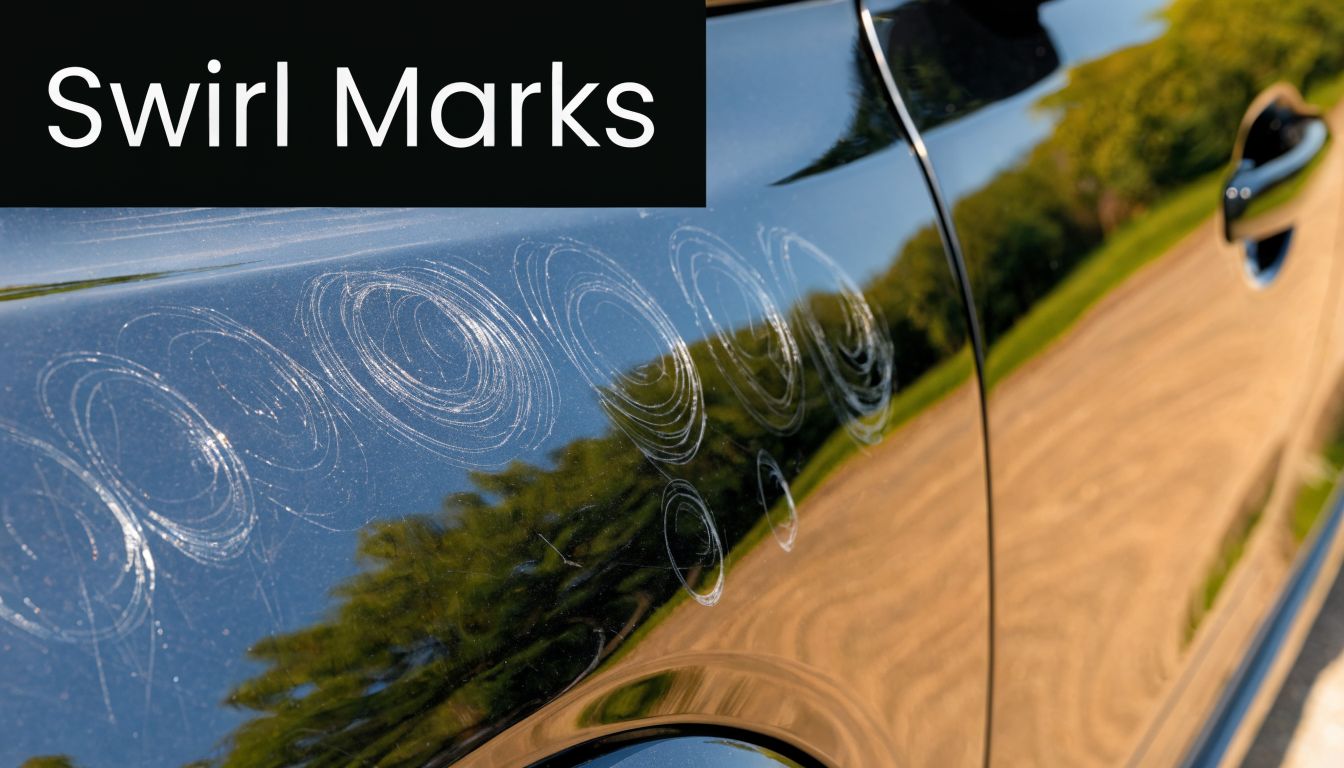
The defects owners notice most
According to XPEL's overview of paint correction defects and machine choice, correction addresses defects embedded in the clear coat, including swirl marks from improper washing, light scratches, oxidation from UV exposure, and damage from acid rain and bird droppings. The same source notes that Dual-Action polishers are generally preferred for standard correction because they balance cutting ability with operator safety.
Here are the signs to look for:
- Swirl marks: These look like spiderwebs or circular trails, especially on black, blue, and other dark colors. They usually come from automatic brush washes, dirty wash mitts, bath towels, or wiping dust off dry paint.
- Light scratches: Door handle scratches, fingernail marks, bag scuffs near the trunk, and random marks from daily use often live in the clear coat.
- Water spotting: Hard water minerals can leave marks that don't wash off. If they sit long enough, they can etch.
- Oxidation: Paint starts to look chalky, faded, or dull instead of rich and glossy.
- Bird dropping and bug etching: Acidic contamination can leave a visible scar if it bakes on the panel.
A simple driveway check
You don't need a shop light to spot a problem. Try this:
- Wash the car properly so loose dirt isn't confusing the view.
- Pull it into direct sun or inspect it under strong LED lighting.
- Look at the hood, trunk, and upper doors first because those panels usually show the most damage.
- Change your angle because some defects only appear when light hits sideways.
If your paint looks glossy in shade but scratched in sunlight, the finish likely needs correction, not another wax.
In Lincoln, this shows up a lot after winter grime, repeated tunnel washes, and hard water exposure. The good news is that many of these issues are clear-coat defects, not signs that the whole vehicle needs repainting.
The Professional Paint Correction Process Step by Step
A proper correction job is methodical. The polishing stage gets most of the attention, but the result depends just as much on prep, inspection, and careful wipe-downs between stages.
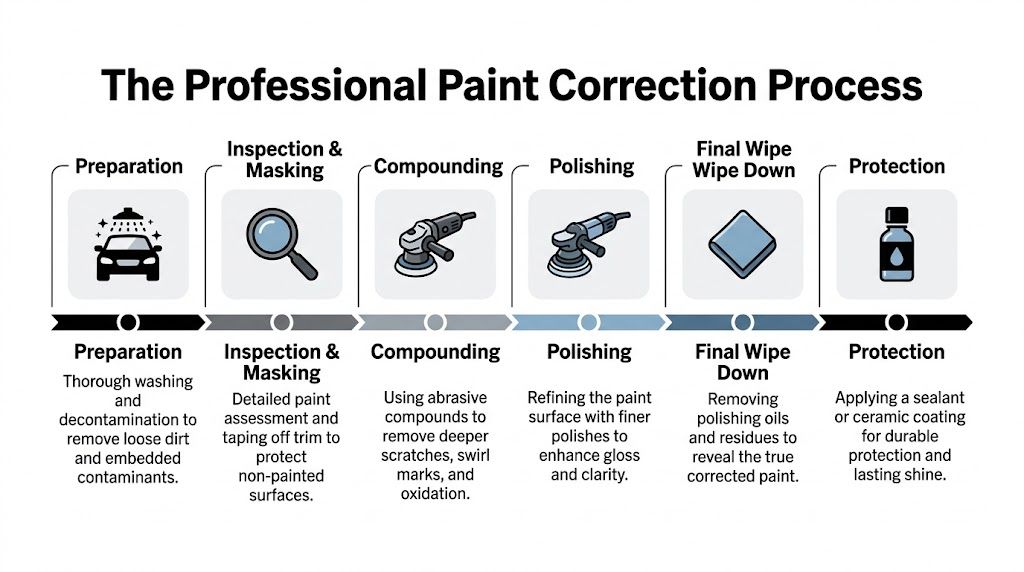
Step 1 and Step 2
The job starts with a full wash and surface decontamination. Dirt has to come off first, but so do bonded contaminants that normal soap won't remove. That often includes iron fallout, road film, and stubborn surface contamination.
Clay treatment is part of that prep because polishing over bonded grit is a fast way to create more marring. If you want a deeper look at that stage, this guide on what clay bar treatment does for cars explains why the paint has to feel clean before a machine ever touches it.
After washing, the vehicle gets inspected panel by panel. Trim, edges, and sensitive areas are taped off. This isn't cosmetic fussiness. It protects rubber and textured plastics from staining and keeps the work focused on painted surfaces.
Step 3 and Step 4
Once the surface is clean and protected, correction begins with the test spot. A detailer chooses a small section and tries the least aggressive combination likely to work. That could be a Dual-Action polisher with a polishing pad and medium polish, or it could require a more aggressive pad and compound if the defects are heavier.
According to OCD Car Care's explanation of correction stages, the process is calibrated to defect depth. A one-step correction uses a single combination and delivers about 70% clarity, while a two-step correction separates compounding from refinement and reaches 90% to 95% surface perfection. The same source notes that pros use isopropyl alcohol, or IPA, between stages so they can confirm defects were removed instead of temporarily hidden by polishing oils.
That matters because compounding and polishing do different jobs.
- Compounding: Removes heavier defects. This is the more labor-intensive cut.
- Polishing: Refines the finish, boosts clarity, and removes haze left by the cutting stage.
- IPA wipe-down: Reveals the true finish with no oily disguise.
The most important skill in correction isn't making paint shiny. It's knowing when to stop.
Step 5 and final prep
After the correction stages are complete, the surface gets another close inspection under strong lighting. During this inspection, missed haze, leftover residue, or isolated defects are caught. On a proper job, the finish should look better in harsh light, not just under flattering shop conditions.
The final wipe-down prepares the paint for whatever comes next. Some owners stop at corrected paint. Others add a sealant or coating to help preserve the finish they just paid to restore.
A few practical realities often surprise car owners:
- One-step work is not a "bad" job. It's often the smartest value when the goal is strong visual improvement without chasing near-perfect paint.
- Two-step work costs more for a reason. The heavy cut takes time, then the finish has to be refined.
- Not every panel needs the same approach. Softer paint, harder paint, repainted sections, and deeper isolated defects all change the plan.
That labor is why correction isn't a quick wash-and-buff service. Even a basic job takes real time, and the outcome depends on restraint as much as aggression.
DIY Correction vs Professional Detailing The Real Trade-Offs
A lot of car owners can learn basic machine polishing. Fewer can safely correct paint to a high standard across an entire vehicle. That's the key distinction.
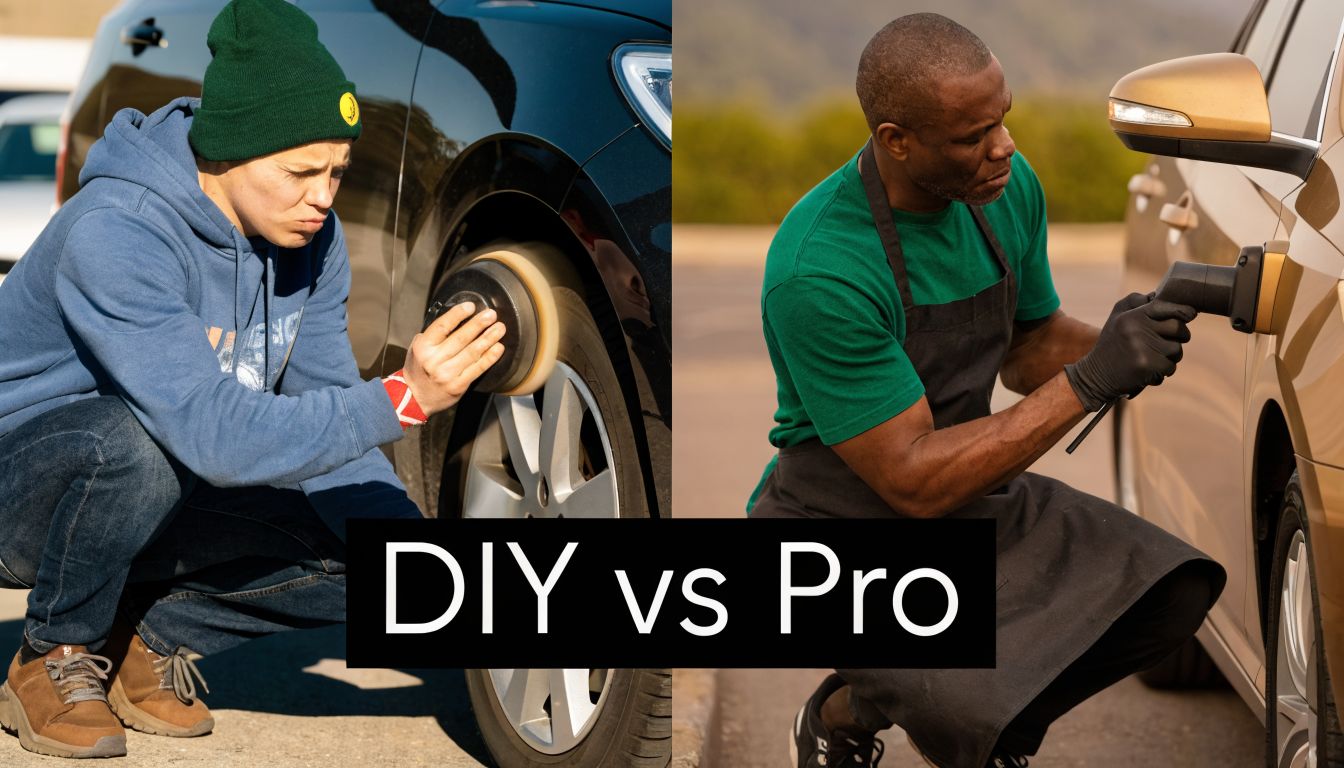
If you're deciding whether to tackle it yourself, the first question isn't "Can I buy a polisher?" It's "Can I inspect paint correctly, choose the right pad and liquid, control heat and pressure, and stop before I create a worse problem?"
Where DIY makes sense
DIY can work if your goals are modest. For example, if you want to brighten a daily driver, reduce light swirls, and you're willing to practice on less visible panels, a beginner-safe setup can be reasonable. A Dual-Action machine gives enthusiasts a safer starting point than a rotary.
If your main issue is wash-induced marring, it also helps to understand the root cause before you polish anything. This guide on how swirl marks form and how to remove them is useful because fixing your washing process matters as much as fixing the paint.
Where professional work earns its keep
Professionals bring three things DIY usually lacks: repeatable inspection, paint-specific judgment, and process discipline. They know when a scratch should be improved rather than chased. They know when a panel is too thin, too soft, too hard, or too risky for aggressive cutting.
Here’s the side-by-side view.
| Factor | DIY Approach | Professional Service |
|---|---|---|
| Equipment | You buy the machine, pads, compounds, towels, tape, lighting, and wash prep supplies | The tools, lighting, pads, liquids, and surface prep systems are already part of the service |
| Learning curve | You learn by testing, watching, and making mistakes carefully | The operator already knows how different paint systems react |
| Time | Often turns into a full weekend or more | You hand the job off and get a planned service window |
| Risk | Easy to leave haze, miss defects, stain trim, or overwork edges | Lower risk when the technician follows a controlled process |
| Result | Can be good on light defects | Usually stronger and more consistent across the whole vehicle |
This walkthrough gives a realistic sense of what's involved before you decide to buy tools and dive in.
A first-time DIY correction usually costs less only if you don't count your time, your rework, and the supplies you buy trying to get it right.
For Lincoln drivers, the choice usually comes down to expectations. If you want a noticeable cleanup on a vehicle you don't obsess over, DIY may be enough. If you want strong defect removal, clean finishing on dark paint, and a surface that's ready for coating, professional correction is usually the smarter path.
Understanding the Cost and Time Investment
A proper correction quote starts with the paint, not a flat menu price. The same car model can land in two completely different price brackets if one has light wash swirls and the other has years of automatic car wash damage, hard water spotting, and deeper random scratches.
According to Fortune Business Insights' car detailing market overview, full vehicle paint correction often falls in the $500 to $2,000 range. The wide spread reflects labor, vehicle size, and how far the finish can realistically be improved. That same report also notes that professional detailing can support resale by improving how a vehicle presents to buyers.
Why the price moves
Correction time is sold labor backed by skill, lighting, and process control. A technician has to wash, decontaminate, inspect, tape trim, test pad and polish combinations, correct panel by panel, then refine the finish until it looks right in direct light. On softer paint, that can go quickly. On sticky or stubborn paint, progress slows down fast.
A few factors drive the final quote:
- Vehicle size: Larger panels and more surface area mean more machine time.
- Defect severity: Light swirls, oxidation, etching, and heavier wash damage do not correct at the same speed.
- Service level: A one-step polish aims for strong visual improvement. A multi-step correction chases a higher level of defect removal and finish quality.
- Paint type and history: Repainted panels, thin clear coat, and very soft or very hard paint all change the approach.
Why time matters
Paint correction is careful work. Rushing usually leaves haze, missed defects, or uneven results from panel to panel.
In a real shop setting, even a moderate job can take most of a day, and a more involved correction can stretch well beyond that once prep, test spots, polishing, inspection, and final wipe-down are included. That time matters because correction removes or reduces defects by leveling the paint safely. The operator has to measure progress, not just keep polishing.
For Lincoln drivers, the smart question is not just "What does it cost?" It's "What result am I paying for?" If the vehicle is a daily driver with average wear, a lighter correction may be the better value. If the goal is a near-showroom finish on black paint or a car headed for long-term protection, spending more up front usually makes sense.
The ROI gets clearer when correction is paired with protection. Once the paint is refined, adding a coating helps preserve that finish and makes routine washing easier, though it will not make the surface immune to damage. If you want a realistic view of that limitation, read whether ceramic coating helps prevent scratches.
In Lincoln, Nebraska, labor rates, shop environment, and technician experience all affect the final number. The best estimates come from an in-person inspection under proper lighting, because photos rarely show the full story.
The Perfect Finish Pairing Correction With Ceramic Coating
Paint correction fixes appearance. It doesn't lock the result in place. That's why coating and correction belong in the same conversation.
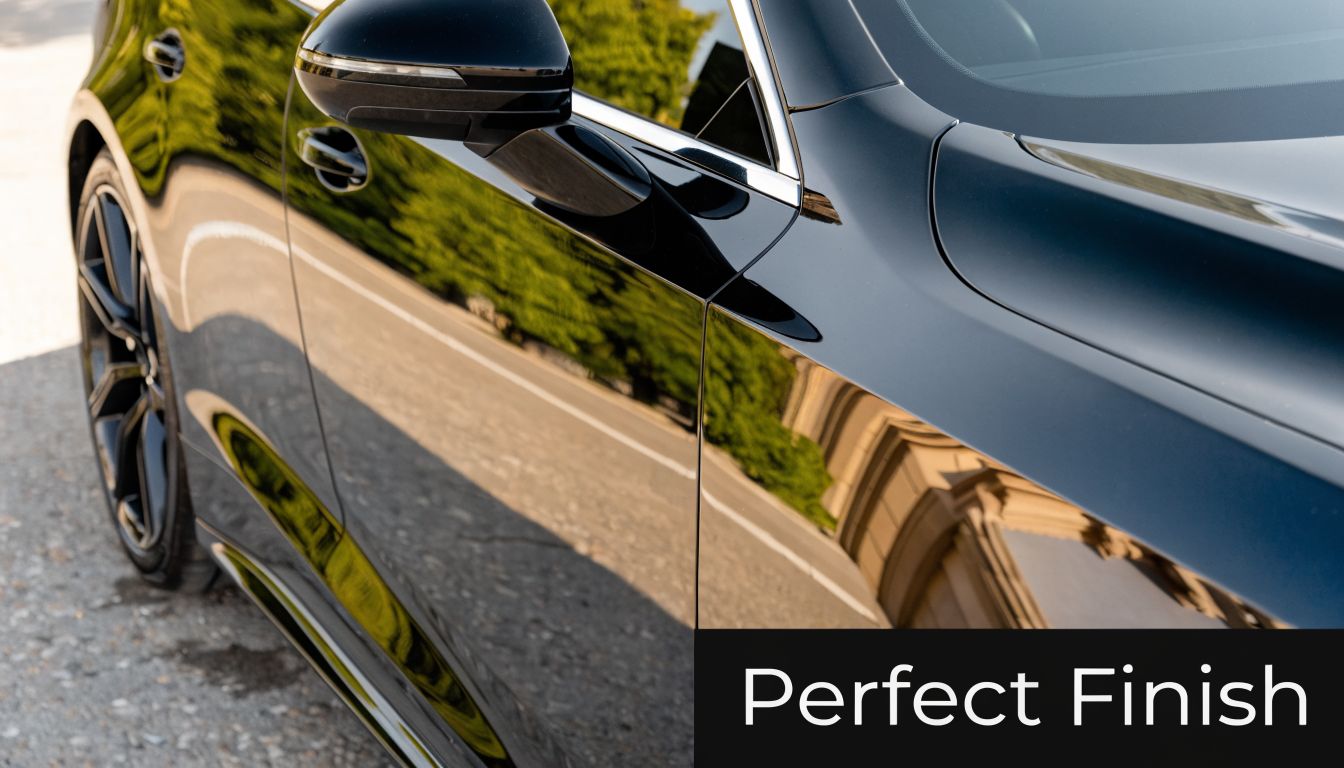
A corrected surface is clean, leveled, and visually sharp. If you stop there, the paint is improved, but it's still exposed to the same washing mistakes, environmental fallout, and weather that caused many of the defects in the first place.
Why coating after correction makes sense
One of the most important technical points in correction is that existing blemishes shouldn't be sealed under protection. As noted earlier in the process discussion, coating works best after the paint has already been refined. Otherwise, you're preserving flaws instead of a clean finish.
Ceramic coating gives the corrected paint a sacrificial protective layer that helps maintain gloss and makes maintenance easier. It doesn't make the car invincible, and it doesn't turn bad washing habits into good ones, but it does make ongoing care more forgiving.
The ROI side of the decision
For most owners, the value of pairing the two comes down to preservation. You already paid for the labor-intensive part. Protecting that result is the logical next move.
A few benefits stand out:
- Easier washing: Dirt and grime release more easily from a protected surface.
- Better gloss retention: The finish stays visually sharper between washes.
- Less chance of immediate backsliding: You're not exposing fresh correction work completely bare.
- Cleaner long-term maintenance path: Good wash technique plus a protected surface is easier to sustain.
If you're weighing that next step, this article on whether ceramic coating helps prevent scratches gives a grounded explanation of what coating can and can't do.
Correct first. Protect second. Reversing that order doesn't work.
For daily drivers in Lincoln, where weather, road grime, and repeated washing cycles all add up, the correction-plus-coating combo is usually the most sensible long-term plan.
Your Local Paint Correction Experts in Lincoln NE
A Lincoln daily driver usually needs a different correction plan than a weekend car or a work truck. I see that play out all the time. The same swirl marks on a white commuter sedan may be acceptable to the owner, while lighter defects on a black pickup can stand out in direct sun and justify more polishing time.
That is why a real inspection matters. Paint should be checked in person, under proper lighting, with the owner's goals clearly on the table. A good detailer is not just choosing a package. They are deciding how much clear coat can be safely refined, what level of improvement is realistic, and whether the result fits how the vehicle is used in Lincoln weather.
What a good recommendation looks like
A solid recommendation should match the paint, the budget, and the owner's standards.
- One-step correction is a smart fit for vehicles that need better gloss, lighter swirl removal, and a noticeable cleanup without chasing every defect.
- Two-step correction makes more sense when the paint has heavier marring, stronger swirls, or the owner wants a sharper, more finished look.
- Fleet planning helps business owners who care about consistency, scheduling, and keeping vehicles presentable without excessive downtime.
GP Mobile Car Wash & Detail follows that kind of practical framework for Lincoln-area vehicles. That matters because local owners are usually balancing appearance with time, budget, and how the car or truck is used day to day.
What local car owners should ask before booking
Before you book, ask questions that get past sales language and into the actual work:
- What level of correction does this paint need, and why
- Which defects should improve, and which ones are likely to stay
- Is the paint being corrected with ceramic coating in mind
- Will the service be done mobile, in-shop, or based on the condition of the vehicle
Good answers are specific. If a shop promises perfect paint without seeing the vehicle, that is a red flag. The better approach is honest and technical. Here is what we can improve. Here is what will remain. Here is what makes sense for your car in Lincoln, not for an idealized show car that never sees road salt, summer dust, or regular wash cycles.
Frequently Asked Questions About Paint Correction
Will paint correction remove deep scratches
Not always. Paint correction works on defects in the clear coat. If a scratch is deep enough to go through that layer, polishing may improve its appearance but won't fully remove it.
How long does paint correction last
The correction itself is permanent because the defects are removed, not hidden. What changes over time is the condition of the paint afterward. Bad washing habits can put fresh marring right back into the surface.
Can a brand-new car need paint correction
Yes. New cars often arrive with dealership wash marks, transport contamination, or light marring that shows up under direct light. Correcting that paint before protection is common.
Is one-step correction enough
Sometimes, yes. If your goal is a clear visual improvement rather than chasing near-perfect paint, one-step work can be the smart choice. If the finish has heavier swirling or you want a more refined result, a multi-step service usually makes more sense.
Can automatic car washes ruin corrected paint
Yes, especially brush-based automatic washes. The verified guidance in the source material is clear that brush washes can damage corrected paint quickly, while careful hand washing is the safer way to preserve the finish.
How often does a car need paint correction
Not frequently if you maintain it properly. The verified information states that paint correction is generally needed only every few years, depending on mileage, exposure, and aftercare.
If your paint looks dull, scratched, or full of swirl marks in the Nebraska sun, GP Mobile Car Wash & Detail is a practical place to start. You can book mobile service or arrange drop-off at the Fremont Street shop, get the paint evaluated, and choose the level of correction that fits your vehicle, your budget, and whether you want to pair it with ceramic coating.