That slick, glossy look right after a coating service is satisfying for a reason. Your vehicle sheds water better, stays cleaner longer, and has a deeper finish. But if you want those results to last, you need to know how to maintain coated paint without slowly wearing down the very protection you paid for.
A coating gives your paint a tougher, more resistant surface, but it does not make the vehicle maintenance-free. Road film, bug residue, bird droppings, sprinkler spots, winter grime, and improper washing can still reduce performance over time. The good news is that coated paint is usually easier to care for than unprotected paint, as long as you use the right methods consistently.
Why coated paint still needs regular care
Ceramic-coated or otherwise protected paint is built to resist contamination better than bare paint, but resistance is not the same as immunity. Contaminants still land on the surface. They just have a harder time bonding.
That difference matters because maintenance becomes less about aggressive correction and more about steady, careful upkeep. If you let grime sit too long, especially bug splatter, bird droppings, hard water minerals, and road salt, even coated surfaces can stain or lose their slick feel. A neglected coating can stop behaving like a coating long before it truly fails.
In Nebraska, weather adds another layer to the equation. Dust, pollen, rain, winter salt, and fast temperature swings all put pressure on exterior surfaces. Vehicles that sit outside full-time usually need more frequent maintenance than garage-kept vehicles. Daily drivers also need more attention than weekend cars.
How to maintain coated paint with safe washing habits
Washing is where most coating damage starts or where good protection is preserved. The coating itself may be durable, but careless washing can still create swirl marks in the paint and leave buildup on the surface.
The best approach is a gentle hand wash using a pH-balanced soap made for coated vehicles or safe for protective finishes. Strong detergents, household cleaners, and harsh degreasers can leave the surface stripped, dry, or masked by residue. You may still need stronger cleaners at times for specific contamination, but routine washing should stay mild.
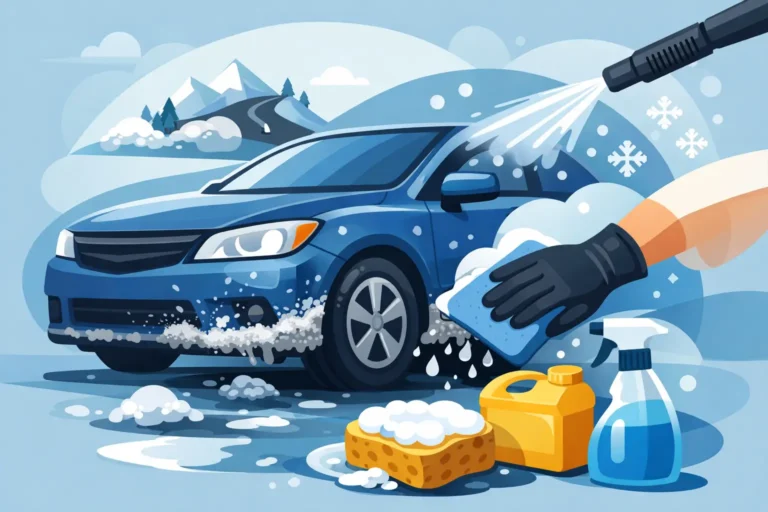
Use clean wash media and separate your rinse water from your soap water if you wash by hand. That simple step helps keep grit off the paint. Start from the upper panels and work downward, since lower sections usually carry the heaviest grime. Wheels, rocker panels, and rear bumpers often need separate tools because they collect the dirtiest material.
Automatic car washes are where many coatings lose some of their visual advantage. Brush tunnels can grind dirt across the finish and leave fine scratches that make the paint look dull even when the coating is still present. A touchless wash is the safer option if you need something quick, though some touchless locations rely on stronger chemicals. Those chemicals may not destroy a quality coating, but frequent exposure can reduce water behavior and surface feel.
Drying matters more than most drivers think
A lot of people focus on washing and then rush the drying step. That is a mistake, especially on coated paint. If water is allowed to dry on the vehicle, minerals can be left behind and create spots that interfere with gloss and hydrophobic performance.
Use a clean, soft microfiber drying towel or forced air to remove water safely. Blotting or dragging a quality towel gently across a well-rinsed panel works better than rubbing aggressively. If your local water is hard, drying quickly becomes even more important.
This is one reason mobile detailing and professional maintenance can save trouble. Proper drying tools and technique make a visible difference, especially on dark-colored vehicles that show spotting more easily.
The biggest threats between washes
If you want to know how to maintain coated paint for the long haul, focus on contamination that should never sit for days if you can avoid it. Bird droppings are acidic. Bug remains can etch. Tree sap hardens. Water spots can turn from a surface issue into a correction issue if they bake in under the sun.
When something lands on the paint, remove it as soon as practical with a coating-safe detail spray and a clean microfiber towel. Gentle pressure is enough in most cases. Scrubbing is what gets people in trouble.
This is also where expectations should stay realistic. A coating helps with cleanup, but if a vehicle sits outside for extended periods under trees or sprinklers, maintenance needs go up. The coating is doing its job, but the environment is still the environment.
What products to use and what to avoid
The simplest product strategy is usually the best one. Use a coating-safe shampoo, quality microfiber towels, and a drying aid or maintenance spray if recommended for your type of coating. Some coatings benefit from occasional topper products that refresh slickness and water behavior. Others do fine with basic washing alone. It depends on the product installed, how the vehicle is used, and what kind of conditions it faces.
Avoid waxes and heavy fillers unless your installer specifically recommends them. Some traditional products can mute the coating’s natural behavior or leave residue that makes it harder to tell how the surface is really performing. The goal is not to bury the coating under layers of other chemistry.
Also avoid abrasive polishes unless paint correction is truly needed. Polishing removes defects by leveling material, and that can compromise or remove the coating in the process. If the finish looks dull, the issue may be contamination rather than coating failure. A proper inspection matters before any correction work is done.
Maintenance schedules are not one-size-fits-all
A coated SUV that sees school drop-offs, gravel roads, and winter driving in Lincoln will need a different schedule than a garage-kept weekend car. For many daily drivers, a careful wash every two to four weeks is a solid range. If the vehicle is exposed to salt, bugs, or heavy pollen, the interval may need to be shorter.
Professional decontamination or inspection every few months can also help. Sometimes a coating seems like it has stopped working when the real problem is that the surface is loaded with minerals, road film, or environmental fallout. Once those are safely removed, the original performance often comes back.
Commercial vehicles and fleets are another category. They often accumulate grime faster and spend more time exposed to the elements. Consistent maintenance is less about appearance alone and more about protecting branded vehicles that represent the business every day.
Signs your coated paint needs attention
A coating does not usually fail overnight. More often, the warning signs are gradual. Water stops beading or sheeting as quickly. The surface feels rough instead of slick. Gloss drops off. Washing takes more effort than it used to.
Those symptoms do not always mean the coating is gone. They can point to clogged performance from contamination. Before assuming the worst, have the paint evaluated. A professional maintenance wash or decontamination service can often restore the finish without major correction.
If the coating has actually worn thin or reached the end of its service life, reapplication may be the better choice. That decision depends on surface condition, product age, and whether polishing is needed beforehand.
When professional maintenance makes sense
There is nothing wrong with maintaining coated paint at home if you have the time, tools, and technique. But many vehicle owners do not want to gamble on their finish with the wrong soap, dirty towels, or rushed washing habits.
Professional maintenance makes sense when your vehicle has specialty protection, sees heavy use, or simply matters enough that you want it handled correctly. It also helps if you own a larger vehicle like a truck, RV, or boat, where proper washing becomes more of a project than a quick task. For busy families, professionals, and fleet managers, consistent service is often the easiest way to protect the investment and keep the vehicle looking sharp.
At GP Mobile Car Wash & Detail, the goal is straightforward: protect the finish, clean it the right way, and make upkeep easier on the owner.
Coated paint rewards consistency. Wash it safely, dry it thoroughly, remove contamination early, and do not wait for the finish to look bad before giving it attention. A little care at the right time keeps the gloss, slickness, and protection working the way they should.